Cycle
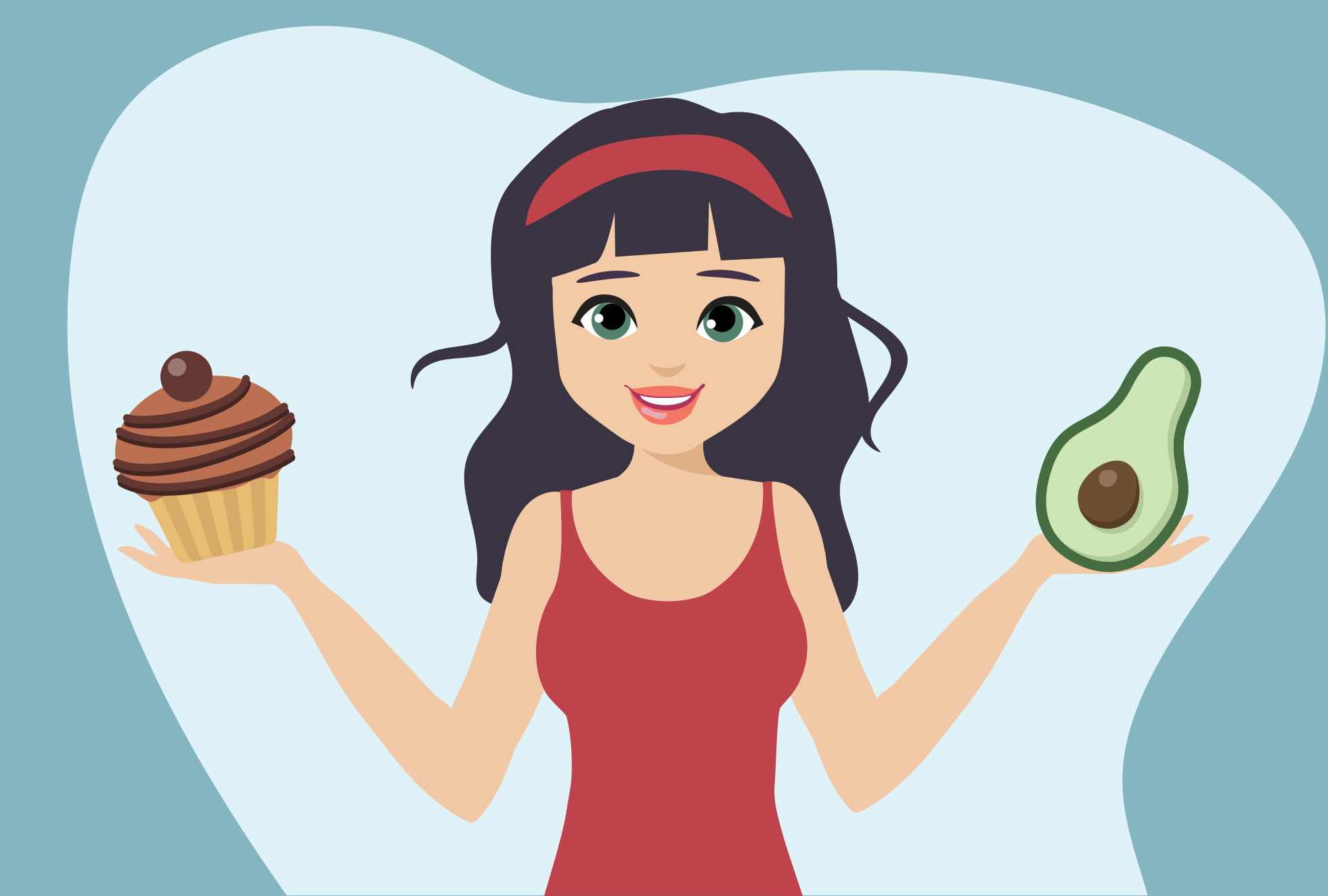
A woman's diet directly affects her hormones and menstrual cycle. Paying attention to what you eat can produce a more regular, less painful period, and a healthier state of mind.
Cycle
A young girl’s first period is an important event that marks the beginning of puberty and entry into womanhood. For some, this is seen as a normal part of growing up, while others must struggle with harmful beliefs embedded in the culture that surrounds them. In this article, you will learn about some of the most common myths and practices related to menstruation and why cultural stigma regarding this natural and unavoidable biological process can be dangerous for young women.
Cycle
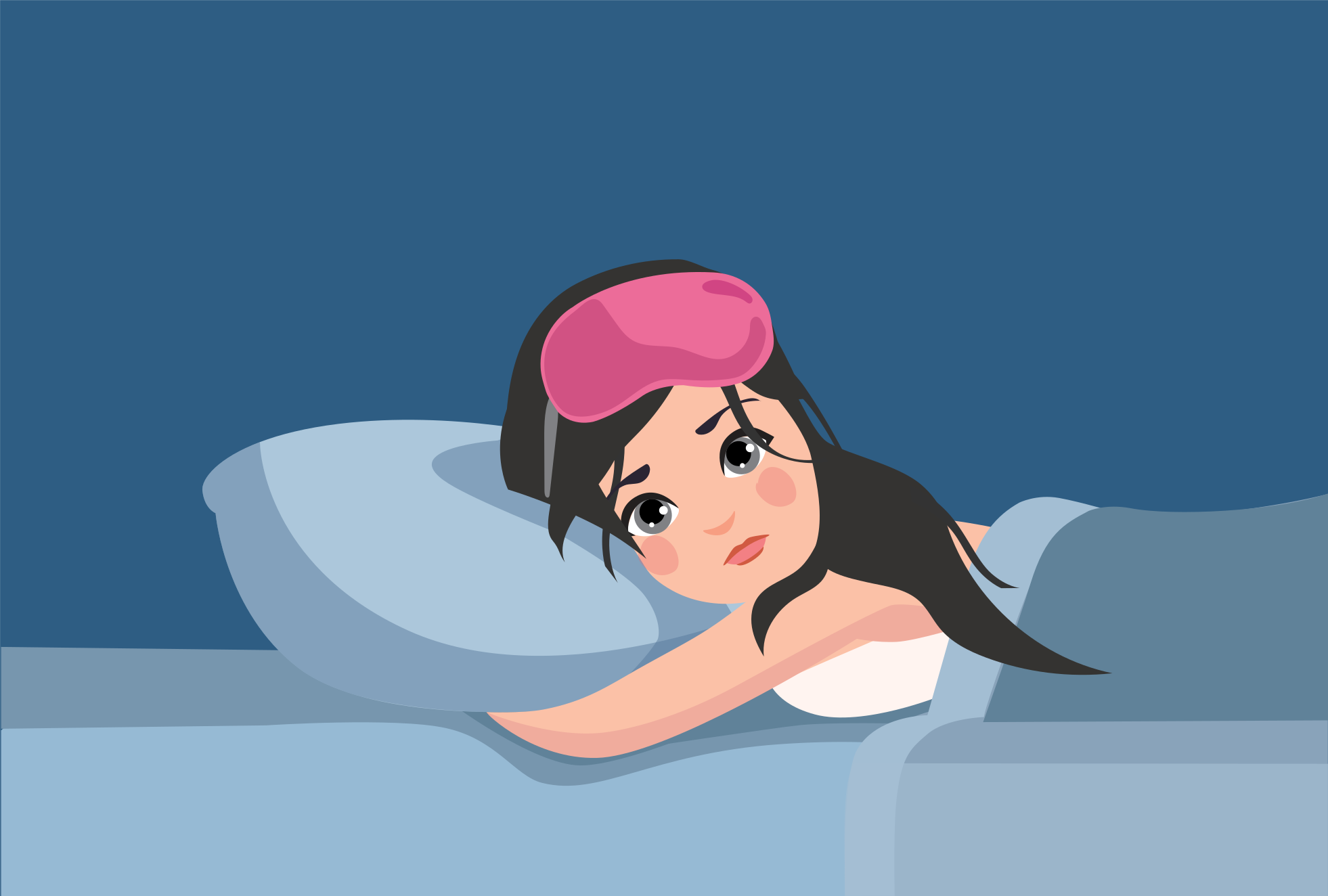
Feeling exhausted when your period starts? You are not alone. Lack of energy just before and during menstruation is very common. Many women feel sleepy and lethargic during that time of month. To live through this phase of the menstrual cycle more serenely it is important to understand what is happening in your body and to take good care of yourself. Finding the right solution for menstrual insomnia means solving a great contradiction: what exhausts you during the day, prevents you from sleeping at night.